
Not sure what to order at a hawker centre? This first-timer guide covers must-try dishes, what to expect, and how to choose the best food in Singapore.
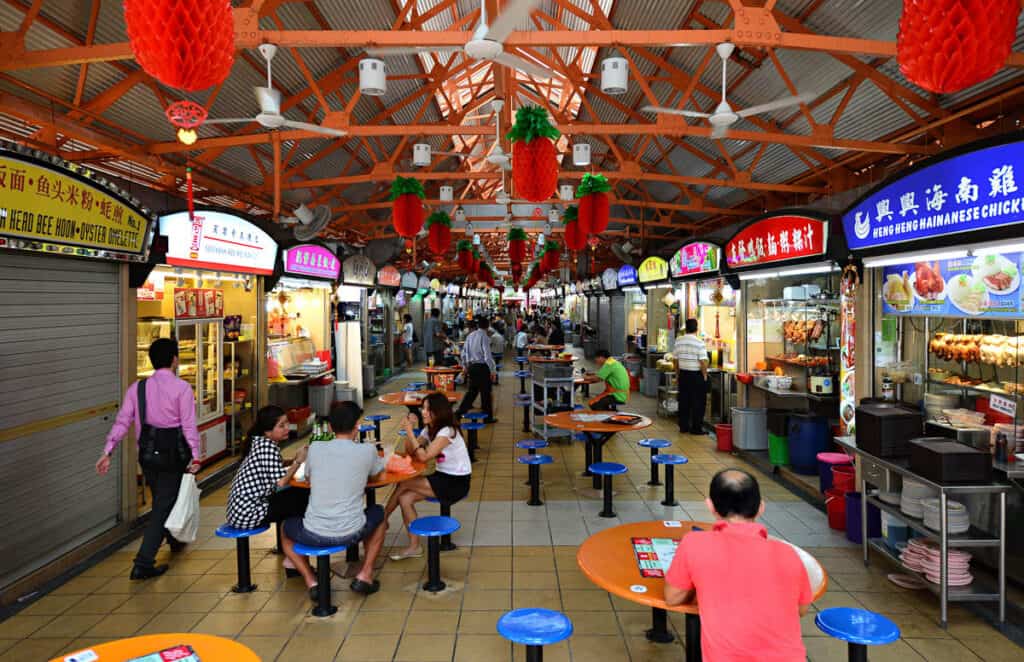
Walking into a hawker centre in Singapore for the first time can feel a little overwhelming. With rows of food stalls, queues in every direction, and menus full of unfamiliar dishes, it’s hard to know where to start.
The good news? You really can’t go too far wrong. Hawker centres are one of the best places to try Singapore’s famous local food, and they’re designed to make it easy to sample a wide variety of dishes in one place.
In this guide, we’ll walk you through exactly what to eat at a hawker centre, with simple recommendations for first-timers, what to expect, and a few tips to help you order with confidence.
If you’re still deciding where to go, check out our guide to the best hawker centres in Singapore, or for a deeper dive into local dishes, don’t miss our Singapore food guide.
Once you’ve mastered hawker centres, here are even more unforgettable Singapore food experiences to try.
What is a Hawker Centre Menu Like?
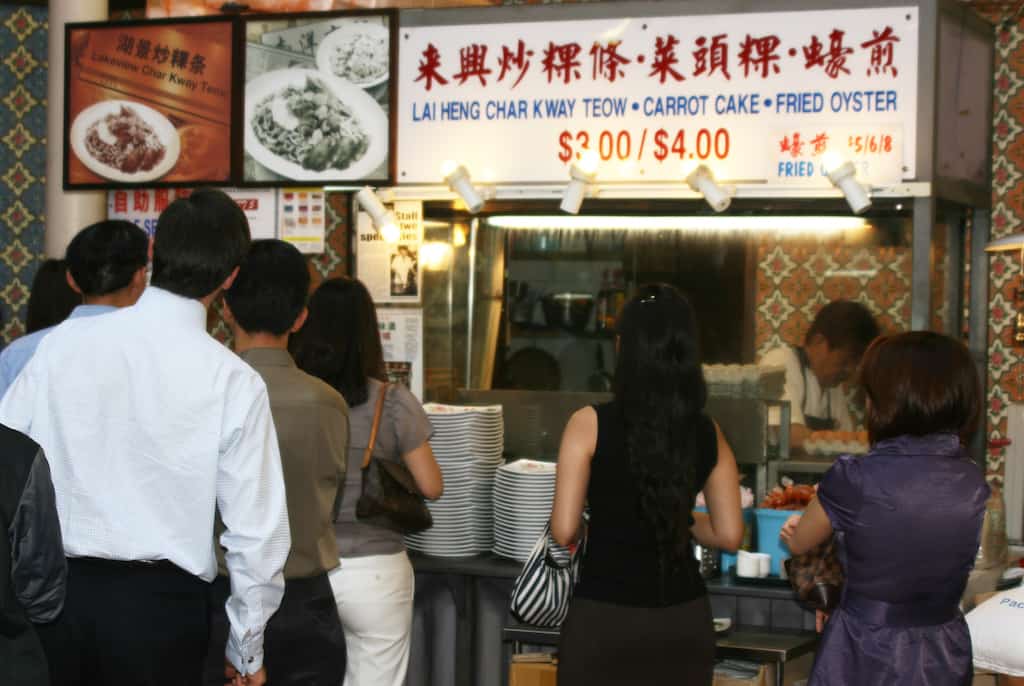
One of the first things you’ll notice is that there’s no single menu at a hawker centre. Instead, each stall specialises in just one or two dishes… often perfected over many years.
That means you won’t sit down and order everything from one place like you would in a restaurant. Instead, you’ll wander around, see what looks good, and order from a few different stalls.
It’s completely normal (and encouraged!) to mix and match. Perhaps chicken rice from one stall, satay from another, and a cold drink from somewhere else.
Menus are usually displayed on signs above each stall, often with photos, and many stalls have English translations, so it’s easier than it first appears. If you’re unsure, just point, smile, and order. Hawker culture is very relaxed and welcoming.
If You Only Try 5 Dishes at a Hawker Centre
If you’re short on time or feeling overwhelmed by choice, start with these classic Singapore hawker dishes. They’re widely available, easy to enjoy, and a great introduction to local flavours:
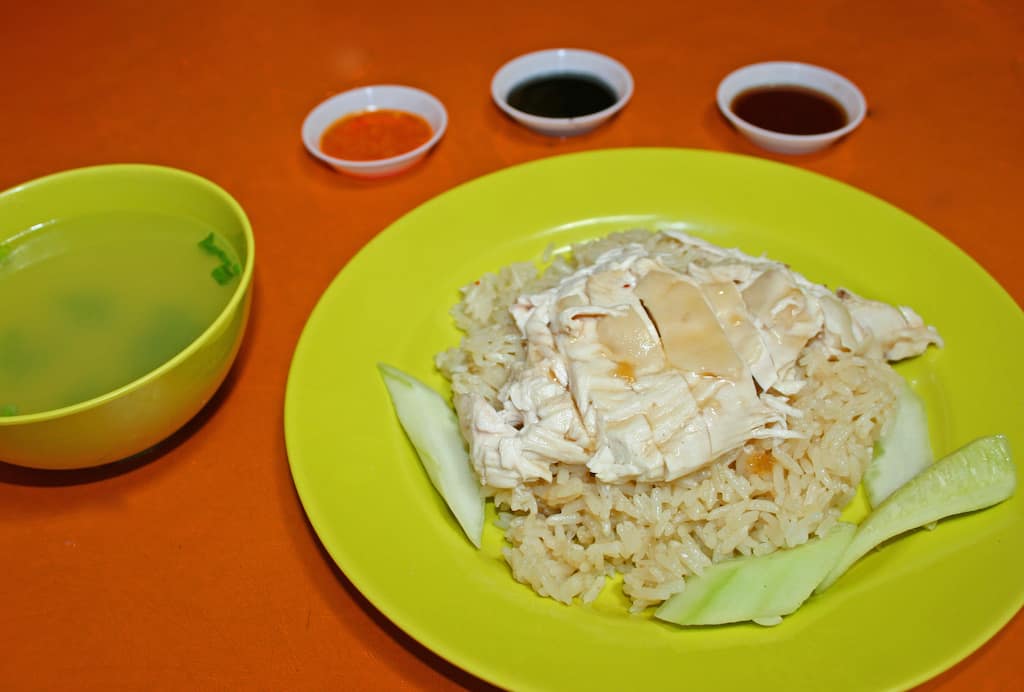
- Hainanese Chicken Rice – Tender poached or roasted chicken served with fragrant rice and dipping sauces. Simple, comforting, and a must-try.
- Laksa – A rich, coconut-based noodle soup with a spicy kick, usually served with prawns and fish cake.
- Char Kway Teow – Stir-fried flat rice noodles with prawns, egg, Chinese sausage and that signature smoky “wok hei” flavour.
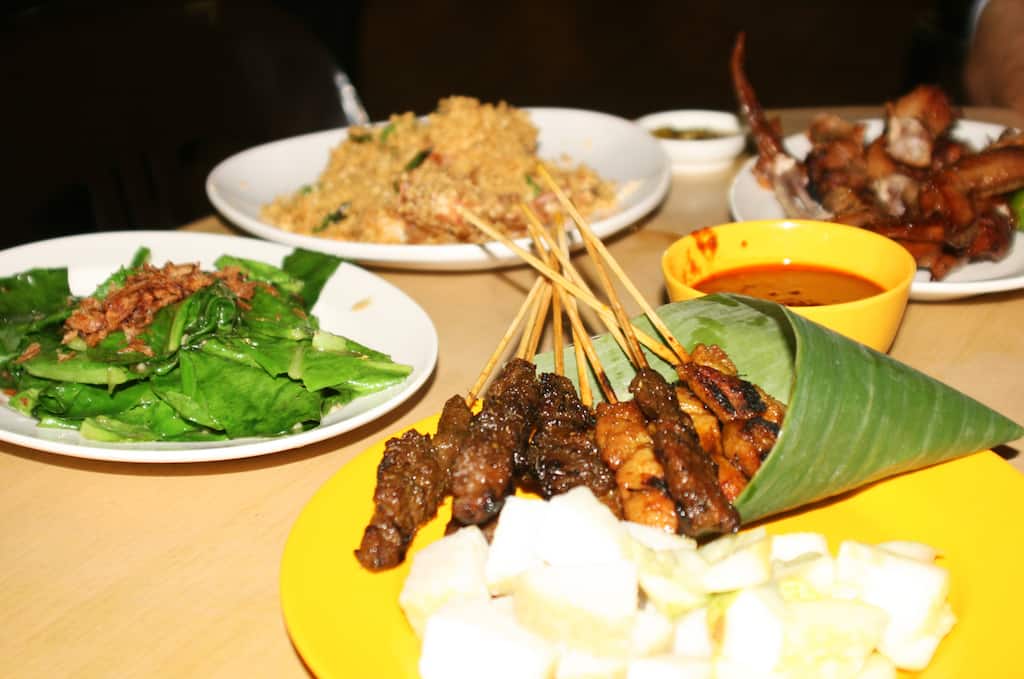
- Satay – Skewers of grilled meat served with peanut sauce. Perfect for sharing and easy to eat on the go.
- Roti Prata – A crispy, flaky flatbread served with curry for dipping. Simple, satisfying, and great for first-timers.
If you only manage a handful of meals at a hawker centre, these dishes will give you a great taste of Singapore’s incredible food scene.
Ready to explore more of the top Singapore food dishes? You’ll find more detail in our What to eat in Singapore article.
Easy Hawker Centre Dishes for First-Time Visitors
If you’re new to Singapore food, a hawker centre can feel a little intimidating at first. The easiest way to start is by choosing dishes that are familiar, mild in flavour, and easy to enjoy.
These are great “safe” options if you’re not feeling adventurous just yet:
- Chicken Rice – Probably the easiest place to start. It’s simple, comforting and widely loved, even by picky eaters.
- Fried noodles – You’ll find plenty of variations across different stalls, and they’re usually mild and satisfying. Char Kway Teow is our go-to.
- Satay – Grilled meat skewers with peanut sauce. Easy to eat, great for sharing, and always a crowd-pleaser.
- Roti Prata – A crispy, flaky flatbread served with curry for dipping. You can even order plain versions if you prefer something mild.
- Wanton Mee – Egg noodles with slices of char siu (barbecued pork), dumplings and a light sauce.
If in doubt, start here. You really can’t go wrong with any of these dishes.
More Adventurous Dishes to Try
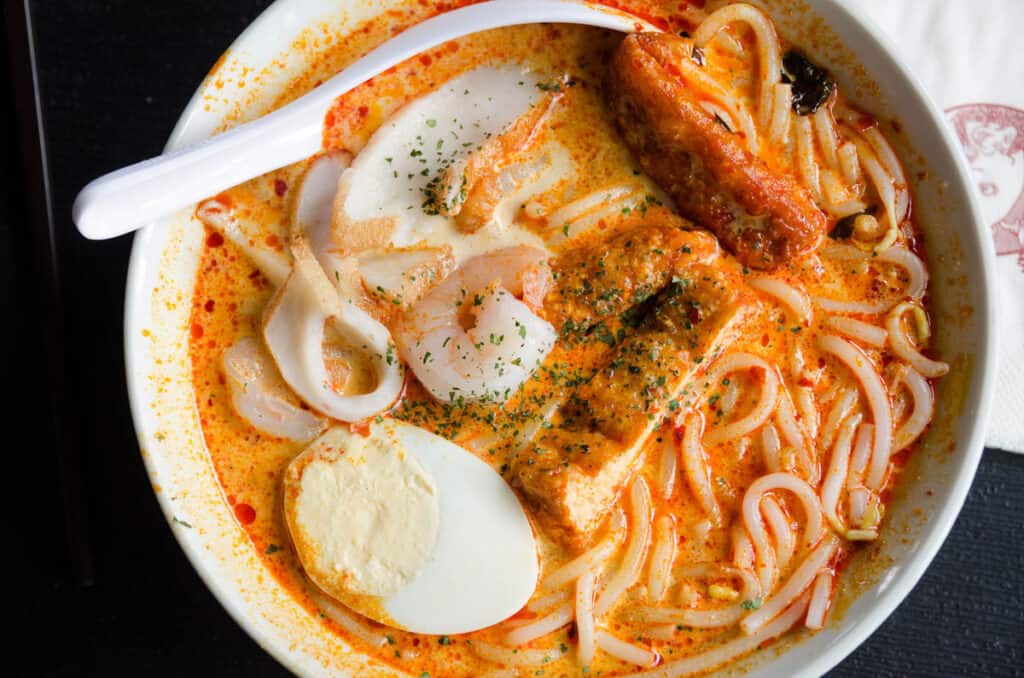
- Laksa – Rich, creamy and deliciously spicy. The coconut-based broth is packed with flavour and often includes prawns and cockles.
- Hokkien Prawn Mee – A savoury noodle dish cooked in seafood stock, often served with sambal chilli and lime for extra zing.
- Sambal Stingray – Grilled stingray topped with a spicy sambal chilli paste. It might sound unusual, but the fish is tender and mild, and the smoky, spicy flavours make it a real local favourite.
- Fried Carrot Cake – Not a dessert! This savoury dish made from radish and egg is a local favourite, though the name can be confusing at first.
- Rojak – A unique mix of fruits, vegetables and fried dough tossed in a sweet, tangy and slightly spicy sauce.
What Might Not Be for Everyone
While most hawker dishes are easy to enjoy, there are a few that can be a little more challenging for first-time visitors, either because of stronger flavours, spice levels, or unfamiliar textures.
That doesn’t mean you shouldn’t try them, but it helps to know what to expect:
- Very spicy dishes – Some dishes, especially those served with sambal chilli, can pack quite a punch. If you’re sensitive to spice, you might want to go easy at first.
- Strong seafood flavours – Dishes like laksa or Hokkien prawn mee often use shrimp paste or dried seafood, which can have a strong aroma and taste.
- Textural dishes – Some local favourites include ingredients like jellyfish, cuttlefish, or offal, which can be unfamiliar if you’re not used to them.
- Fermented flavours – Ingredients like shrimp paste or fermented sauces are common in Singaporean cooking and can be quite intense for some palates.
If you’re unsure, start with the more familiar dishes and work your way up. And remember – part of the fun of eating at a hawker centre is trying something new!
What to Eat & Where to Find It
Now that you know what to order, the next step is knowing where to find it.
Most of these dishes are available at hawker centres all across Singapore, but some places are better known for certain specialties.
If you’re not sure where to start, check out our guide to the best hawker centres in Singapore, where we highlight exactly where to go and what to eat at each location.
And if you want a deeper dive into each dish, including the best places to try them, don’t miss our Singapore food guide.
Together, these guides will help you plan exactly what to eat (and where to find it) during your trip.
How Much Does Food Cost at a Hawker Centre?
One of the best things about eating at a hawker centre is how affordable it is.
Most dishes typically cost between SGD $5–10, making it easy to try a few different things without spending much.
Drinks are also inexpensive, with soft drinks, fresh juices and local kopi (coffee) usually costing just a few dollars. They’re also the cheapest place to enjoy a cold beer in Singapore.
This makes hawker centres one of the best ways to experience Singapore’s food scene on any budget.
How to Choose What to Eat at a Hawker Centre
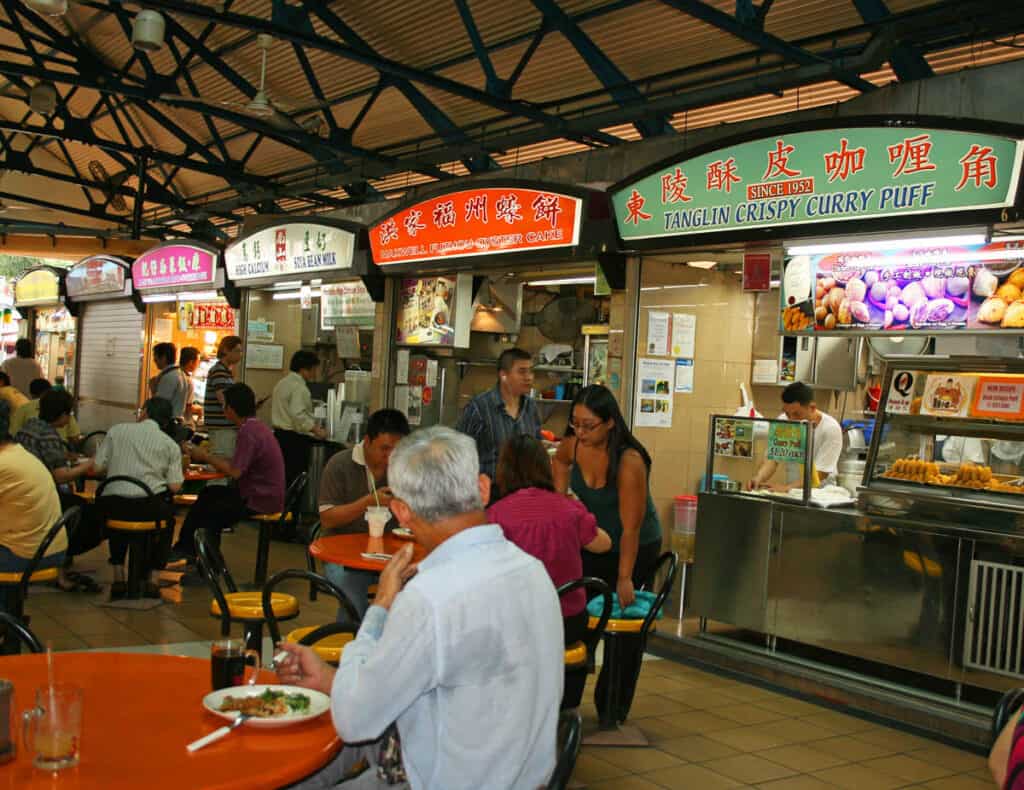
With so many stalls to choose from, deciding what to eat can feel like the hardest part. The good news is, there’s no wrong choice. But a few simple tips can help you narrow it down and order with confidence:
- Look for the queues – Long lines usually mean one thing: the food is good. If locals are willing to wait, it’s often worth joining the queue.
- See what others are ordering – Take a quick look at what’s coming out of the kitchen. If a dish looks good, that’s a great sign.
- Don’t overthink it – You don’t need to find “the best” stall. Most hawker food is delicious, so just pick something that appeals to you and go for it.
- Order a few dishes to share – One of the best things about hawker centres is being able to try multiple dishes in one meal. If you’re travelling with others, order a few things and share.
- Start with something familiar – If you’re feeling unsure, begin with an easy dish like chicken rice or fried noodles, then try something new next.
- Trust your instincts – If a stall looks clean, busy, and popular, it’s usually a safe bet.
And remember—half the fun is trying something new. Even if you don’t love every dish, it’s all part of the experience!
Insider Tips for Ordering at a Hawker Centre
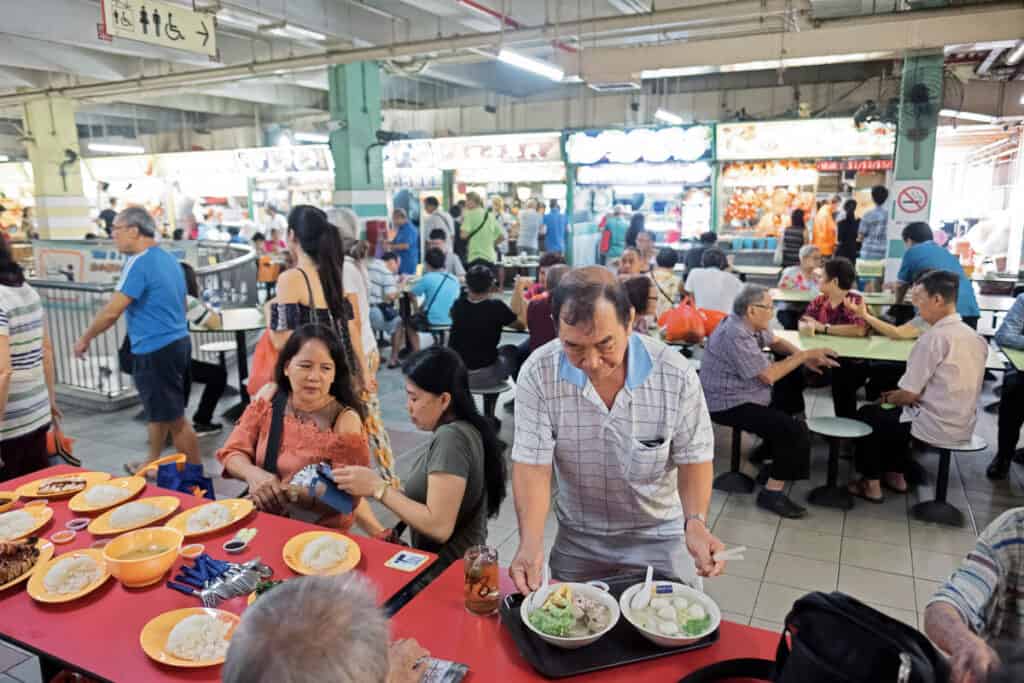
Once you’ve decided what to eat, there are a few handy tips that will make the whole experience much smoother:
- Bring cash – While some stalls accept card or mobile payments, many still prefer cash. Small notes are especially useful.
- Reserve your seat first – During busy periods, it’s common to secure a table before ordering. Locals often use a packet of tissues or an umbrella to “chope” (reserve) their seat.
- Be prepared to queue – Popular stalls often have lines, especially at lunch and dinner. It’s usually a good sign the food is worth it.
- Order from multiple stalls – Don’t feel like you have to get everything from one place. It’s completely normal to mix and match dishes from different stalls.
- Return your tray – Many hawker centres now require you to return your tray after eating. Look for the tray return stations nearby.
- Don’t be afraid to share tables – Seating is often communal, so it’s normal to sit with other people if space is limited.
- Check opening hours – Some stalls only open at certain times of day, and popular dishes can sell out early.
Once you’ve done it once, it all feels surprisingly easy, and you’ll be ordering like a local in no time!
Ready to try it for yourself? Check out our guide to the best hawker centres in Singapore to find the perfect place to start.
Hawker Centre Food Checklist
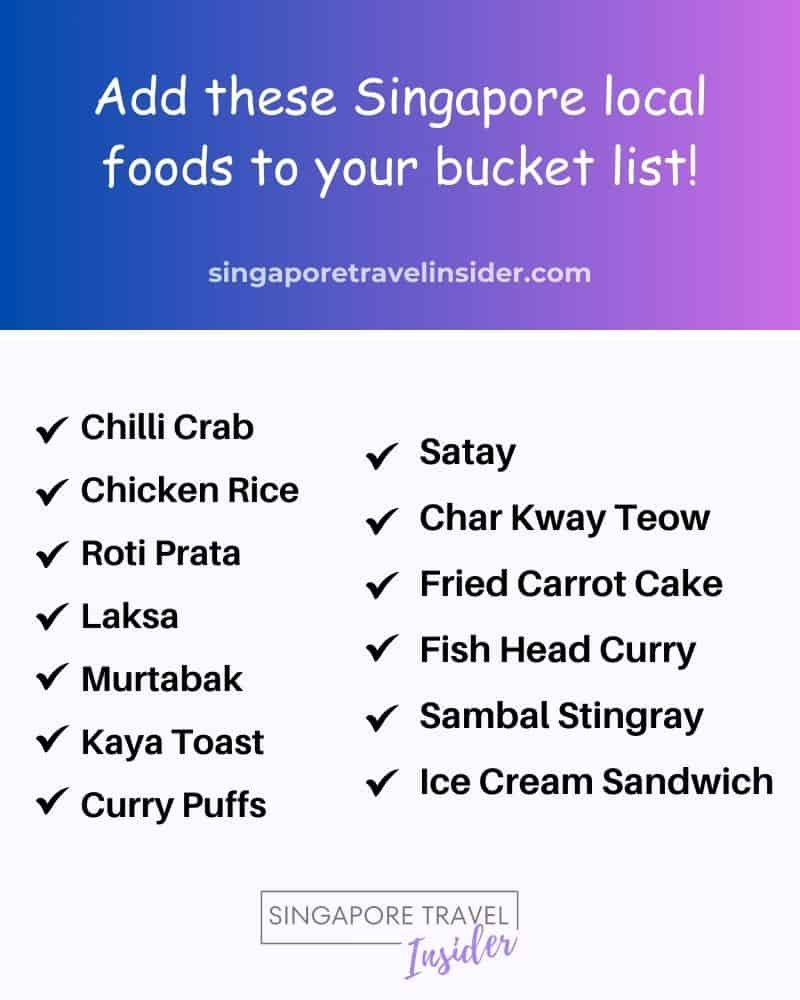
Want to make sure you don’t miss anything? Save this list for your trip and tick things off as you go:
Hawker Centre FAQs
Hainanese chicken rice is widely considered the most popular hawker dish in Singapore. It’s simple, delicious, and available at almost every hawker centre. Other winners are satay, laksa and char kway teow.
Yes! Hawker centres in Singapore are clean and well-regulated, with strict food safety standards. They are widely considered one of the safest places in the world to enjoy street food.
Most dishes cost between SGD $5–10, making hawker centres one of the most affordable ways to eat in Singapore.
Absolutely. There’s a huge variety of dishes available, including many mild and familiar options like chicken rice, fried noodles, and satay.
While some stalls accept card or mobile payments, many still prefer cash, so it’s a good idea to have some on hand.