
Planning your first trip to Singapore? This complete travel guide covers where to stay, what to do, what to eat, and insider tips for a perfect visit.
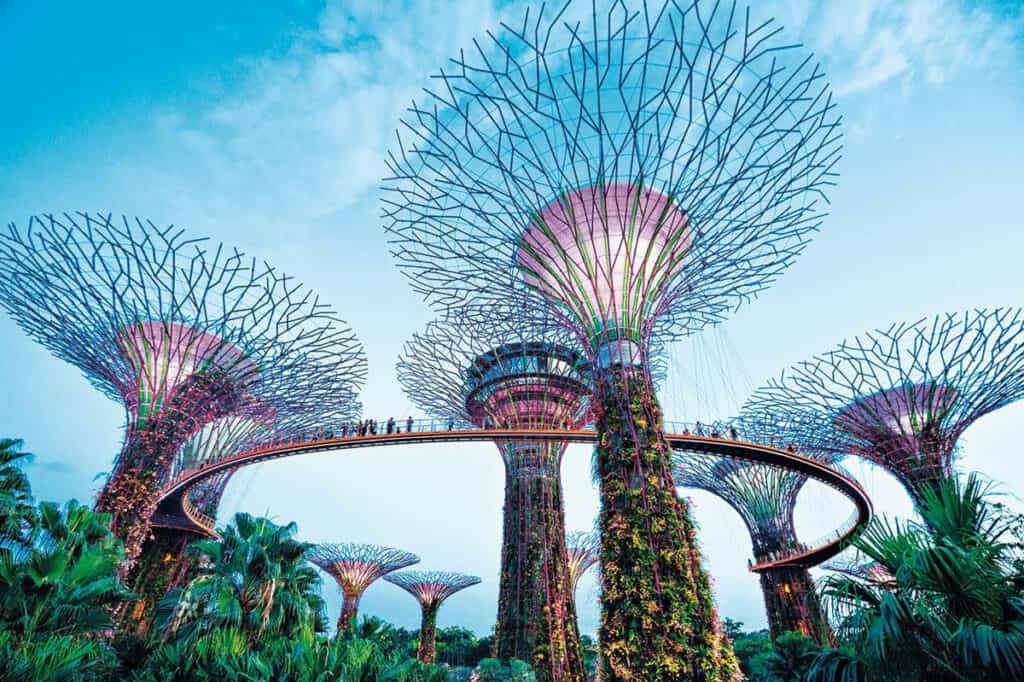
Planning your first trip to Singapore? Here’s everything you need to know: where to stay, what to do, what to eat, and how to make the most of your time.
Singapore is one of the easiest cities in the world to visit. It’s clean, safe, incredibly efficient, and packed with things to see and do. But if it’s your first time, it can still feel a little overwhelming figuring out where to start.
This Singapore travel guide covers everything you need to know, from how long to stay and where to stay, to what to eat, how to get around, and the must-see highlights.
Whether you’re visiting for a quick stopover or a full week, this guide will help you plan your trip with confidence.
If you’re just getting started, you might also find our guide on how to plan a trip to Singapore helpful, along with our breakdown of the best time to visit Singapore.
Planning your trip? Start here:
• Plan your itinerary → 3-Day Singapore Itinerary
• Choose where to stay → Where to Stay in Singapore
• Discover what to eat → Singapore Food Guide
• Find things to do → Best Things to Do in Singapore
• Get practical tips → How to Plan a Trip to Singapore
Planning a family trip? Start with our complete Singapore with Kids guide covering where to stay, what to do and practical tips.
Quick Summary
• Ideal trip length: 3–5 days
• Best area to stay: Marina Bay (first-time visitors)
• Don’t miss: Gardens by the Bay, Marina Bay Sands, hawker centres
• Budget: Moderate to high (but food is cheap!)
• Getting around: MRT + Grab
How Many Days Do You Need in Singapore?
One of the first questions most visitors ask is: how long do you actually need in Singapore?
The good news is that Singapore is compact and easy to get around, so you can see a lot in a short amount of time.
- 2–3 days – Perfect if you’re short on time or visiting as part of a longer Southeast Asia trip. You’ll be able to see the main highlights, explore a few neighbourhoods, and try plenty of local food.
- 4–5 days – Ideal for most first-time visitors. This gives you enough time to explore at a more relaxed pace, visit attractions like Sentosa or the Singapore Zoo, and dive deeper into the food scene.
- 6–7 days – Great if you want a slower itinerary or are travelling with kids. You’ll have time to mix sightseeing with downtime, shopping, and more unique experiences.
If you’re not sure how to structure your trip, check out our detailed itineraries:
- 2-Day Singapore Itinerary
- 3-Day Singapore Itinerary
- 5-Day Singapore Itinerary
- 7-Day Singapore Itinerary
Where to Stay in Singapore
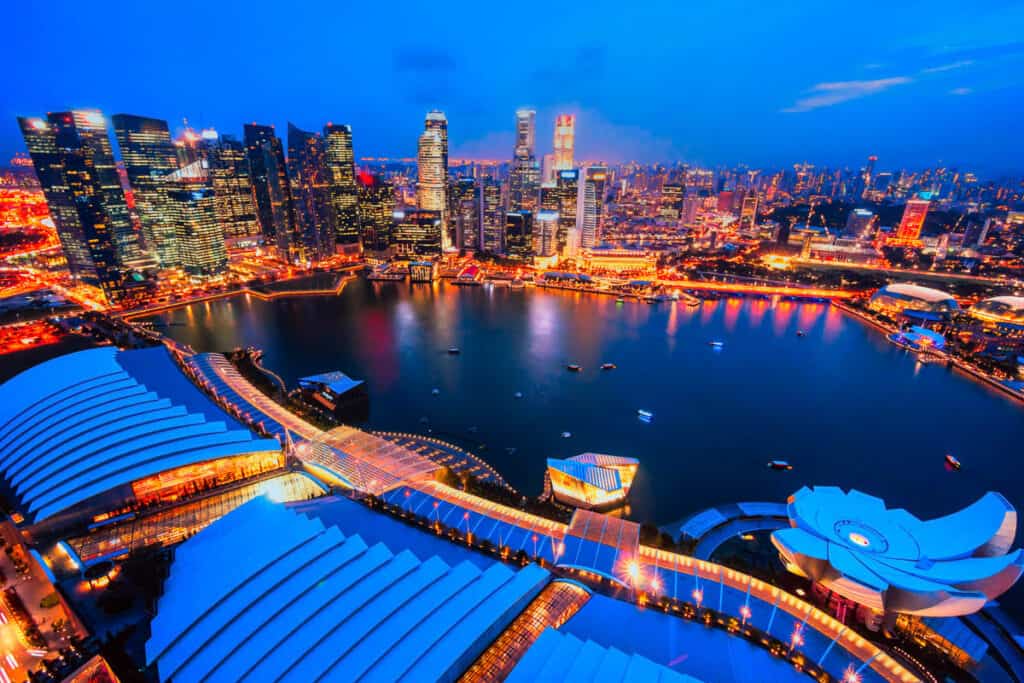
Choosing where to stay in Singapore can make a big difference to your trip, especially if it’s your first time visiting. The city is well connected by public transport, but each neighbourhood has its own vibe.
Here are a few of the best areas to consider:
- Marina Bay – If it’s your first visit, this is hard to beat. You’ll be right in the heart of the action, close to major attractions like Gardens by the Bay and Marina Bay Sands, with plenty of great hotels and incredible views.
- Orchard Road – Best for shopping. This area is packed with malls and hotels, and is well connected to the rest of the city via the MRT.
- Sentosa Island – Ideal for families or if you’re looking for a resort-style stay. You’ll find beaches, theme parks, and some of Singapore’s most family-friendly hotels here.
- Chinatown, Little India & Kampong Glam – Great for a more local feel. These neighbourhoods are full of character, with heritage buildings, temples, markets, and some excellent food options.
If you’re still deciding, our full guide on where to stay in Singapore breaks down the best areas and hotels in more detail.
If you’re deciding between Marina Bay, Orchard Road and Sentosa, we break down the pros and cons of each area here.
If you’re travelling with kids, you might also find our guide to the best family hotels in Singapore helpful.
How to Get Around Singapore
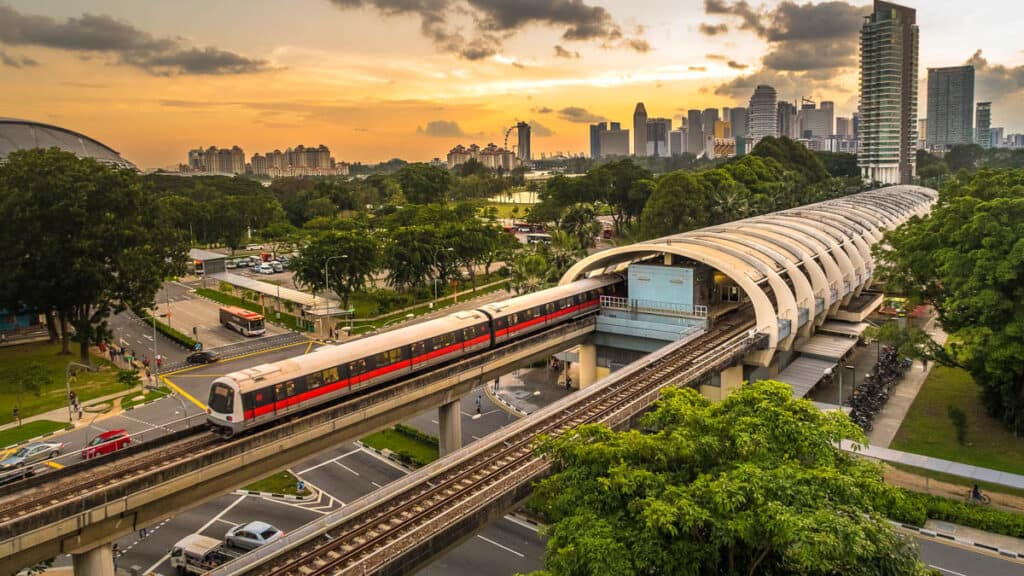
Getting around Singapore is incredibly easy, even if it’s your first visit. The city has one of the best public transport systems in the world, and most attractions are well connected.
- MRT (Mass Rapid Transit) – This is the easiest and most efficient way to get around. Trains are clean, air-conditioned, and connect all the major areas of the city.
- Buses – Singapore’s bus network is extensive and reliable, although it can feel a little less straightforward if you’re not familiar with the routes.
- Grab/Gojek/Tada (ride-hailing apps) – If you prefer door-to-door convenience, these ride-sharing apps work just like Uber and are widely used across Singapore.
- Walking – Singapore is very walkable, especially around areas like Marina Bay, Chinatown, and the Civic District. Just be prepared for the heat and humidity.
You can pay for public transport using a contactless card or mobile payment, making it simple to hop on and off without needing to buy tickets.
For a step-by-step guide, including how to use the MRT and buses, check out our article on how to use public transport in Singapore.
What to Eat in Singapore
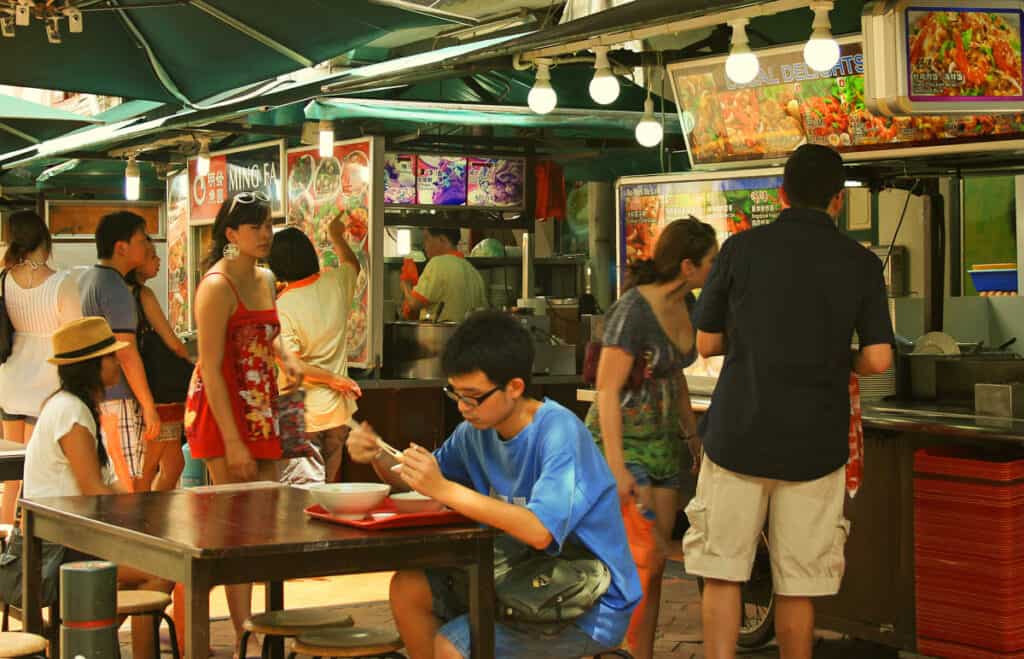
One of the highlights of visiting Singapore is the food. Singapore’s food scene blends Chinese, Malay, Indian and Peranakan influences, and you’ll find everything from Michelin-starred restaurants to affordable hawker stalls serving up some of the best dishes in the country.
If it’s your first time, start with the classics. These are the dishes you’ll see everywhere and are a great introduction to Singapore’s food scene:
- Chilli Crab
- Hainanese chicken rice
- Laksa
- Char kway teow
- Satay
The best place to try many of these dishes in one go is to visit one of Singapore’s best hawker centres. These open-air food courts are at the heart of Singapore’s food culture and are a must-visit for any traveller.
If you’re not sure what to order, our guide to what to eat at a hawker centre will walk you through the best dishes for first-time visitors.
And for a deeper dive into Singapore’s local cuisine, including where to find the best versions of each dish, don’t miss our Singapore food guide.
Top Things to Do in Singapore
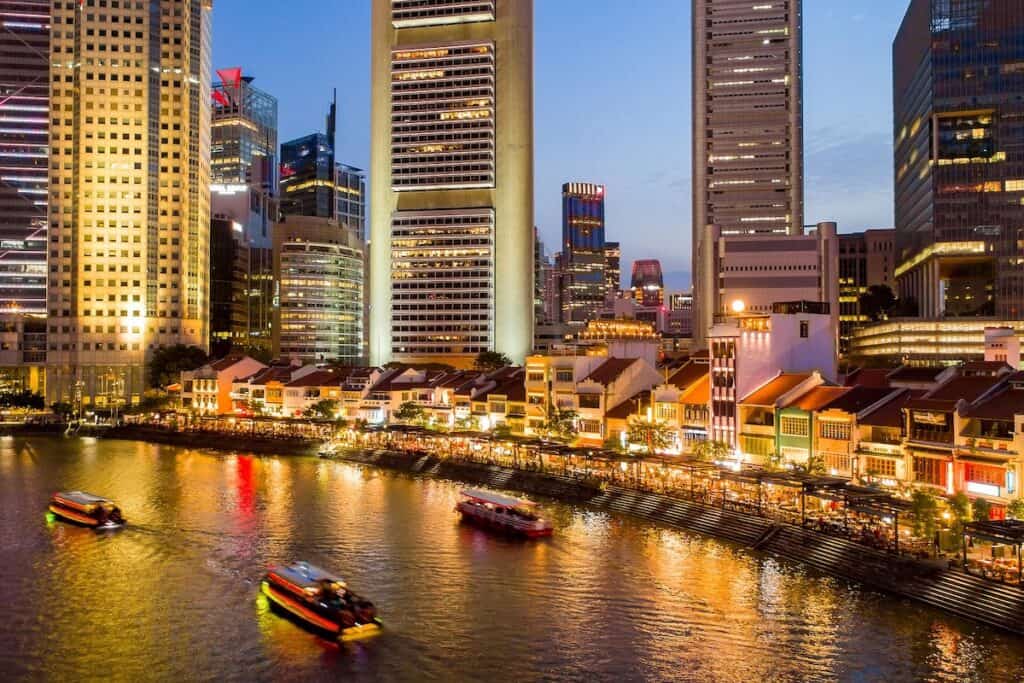
Singapore may be small, but it packs a huge amount into a compact space. From iconic landmarks to family-friendly attractions and unique local experiences, there’s something here for every type of traveller.
If it’s your first visit, here are some of the highlights you won’t want to miss:
Must-See Attractions
For a deeper dive into the city’s highlights, see our guide to the best things to do in Singapore.
These are the classic Singapore sights – the ones you’ve probably already seen on Instagram, and for good reason:
- Marina Bay Sands SkyPark – Head up for incredible views across the city skyline.
- Gardens by the Bay – Don’t miss the Supertree Grove and the Cloud Forest dome. Read our full guide to Gardens by the Bay.
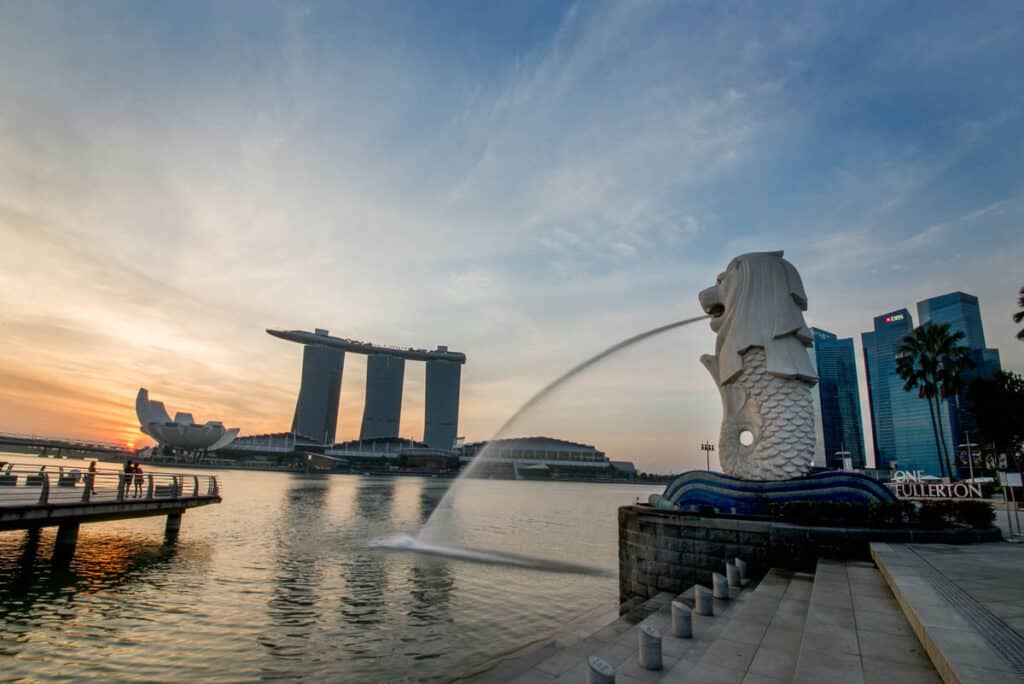
- Merlion Park – A quick stop, but a must for that iconic Singapore photo.
- Singapore River – Perfect for an evening stroll or riverside dinner.
Family-Friendly Attractions
Travelling with kids? Singapore is one of the best cities in the world for family travel:
- Sentosa Island – Home to Universal Studios, beaches, and plenty of attractions.
- Singapore Zoo & Night Safari – Widely considered some of the best wildlife parks in the world.
- Singapore Oceanarium – Over 800 species of sea creatures in air-conditioned comfort.
For more ideas, check out our guide to things to do in Singapore with kids.
Unique Singapore Experiences
These are the experiences that really give you a feel for the city:
- Visit a hawker centre – One of the best ways to experience local culture (and eat very well).
- Explore neighbourhoods like Chinatown, Little India and Kampong Glam – Each offers a different side of Singapore.
- Enjoy a rooftop bar – Singapore’s skyline is best appreciated from above.
If you’re looking for more inspiration, don’t miss our full list of 60+ things to do in Singapore.
Things to Do in Any Weather
Singapore’s weather can be unpredictable, but there’s always something to do:
- When it’s raining – Head to museums, shopping malls, or indoor attractions.
- At night – The city really comes alive after dark, from rooftop bars to night markets.
- On a budget – There are plenty of free and low-cost activities across the city.
You might also find these guides helpful:
- Things to do in Singapore when it’s raining
- Things to do in Singapore at night
- Free things to do in Singapore
How Expensive is Singapore?

Singapore has a reputation for being expensive. And while it can be, it’s absolutely possible to visit on a range of budgets.
- Accommodation – This is usually the biggest expense. Luxury hotels can be very pricey, but there are also plenty of mid-range and budget options across the city.
- Food – This is where you can save money. Hawker centres offer some of the best food in Singapore for around SGD $5–10 per dish, making it easy to eat well without spending a lot.
- Transport – Public transport is clean, efficient, and affordable. Most journeys on the MRT or bus cost just a few dollars.
- Attractions – Some attractions can be expensive, but there are also plenty of free things to do, from exploring neighbourhoods to visiting parks and gardens.
Overall, Singapore can be as budget-friendly or as luxurious as you want it to be. It really depends on how you choose to travel.
If you’re planning your budget, take a look at our detailed breakdown of how much a trip to Singapore costs, or our guide to visiting Singapore on a budget.
What to Pack for Singapore
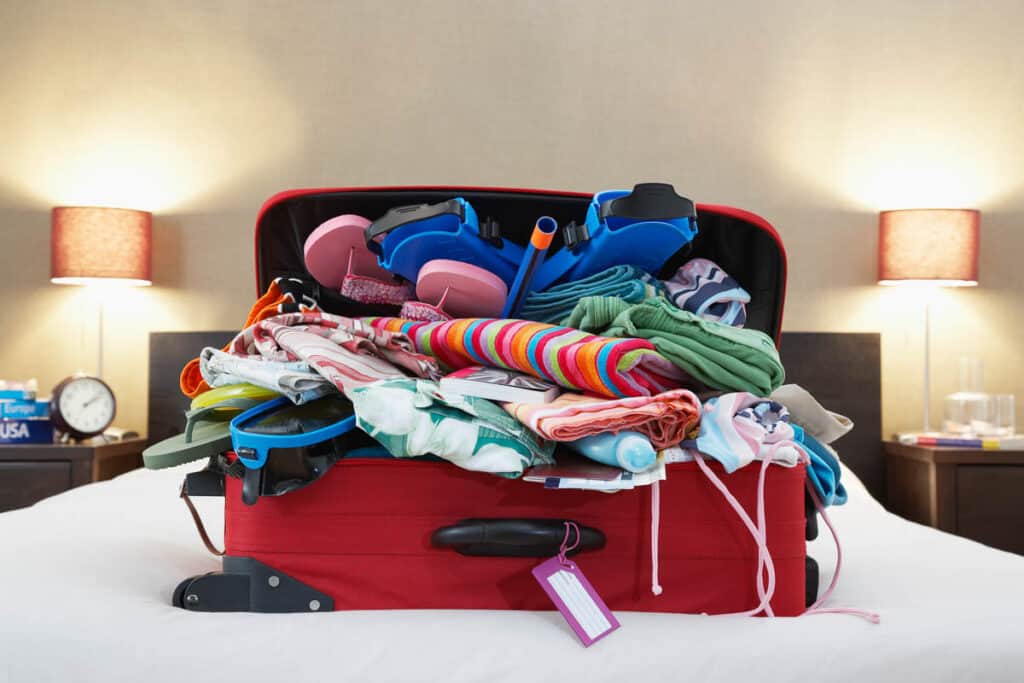
Singapore’s climate is hot, humid, and tropical year-round, so packing light and practical is key.
Here are a few essentials to bring:
- Lightweight, breathable clothing – Think cotton, linen, and loose-fitting outfits to stay comfortable in the heat.
- Comfortable walking shoes – You’ll likely be doing a lot of walking, especially around areas like Marina Bay and Chinatown.
- Rain protection – Sudden tropical showers are common, so a small umbrella or light rain jacket is always a good idea.
- Sunscreen and sunglasses – The sun can be intense, even on cloudy days.
- A reusable water bottle – Tap water is safe to drink, and staying hydrated is important in the heat.
Most things are easy to buy in Singapore if you forget something, so there’s no need to overpack.
For a full checklist, see our Singapore packing list.
Common Mistakes to Avoid in Singapore
Singapore is an easy destination to visit, but there are a few common mistakes that first-time travellers often make. Avoiding these can make your trip much smoother:
- Trying to do too much – Singapore may be small, but there’s a lot to see. It’s easy to overpack your itinerary and end up feeling rushed.
- Not allowing for the heat and humidity – The weather can be intense, especially if you’re not used to it. Plan for breaks and stay hydrated.
- Skipping hawker centres – Some visitors stick to restaurants and miss out on one of the best food experiences in the city.
- Not carrying some cash – While Singapore is largely cashless, many hawker stalls still prefer cash.
If you want a full breakdown, including a few things that might surprise you, read our guide to the most common mistakes travellers make in Singapore.
Best Time to Visit Singapore
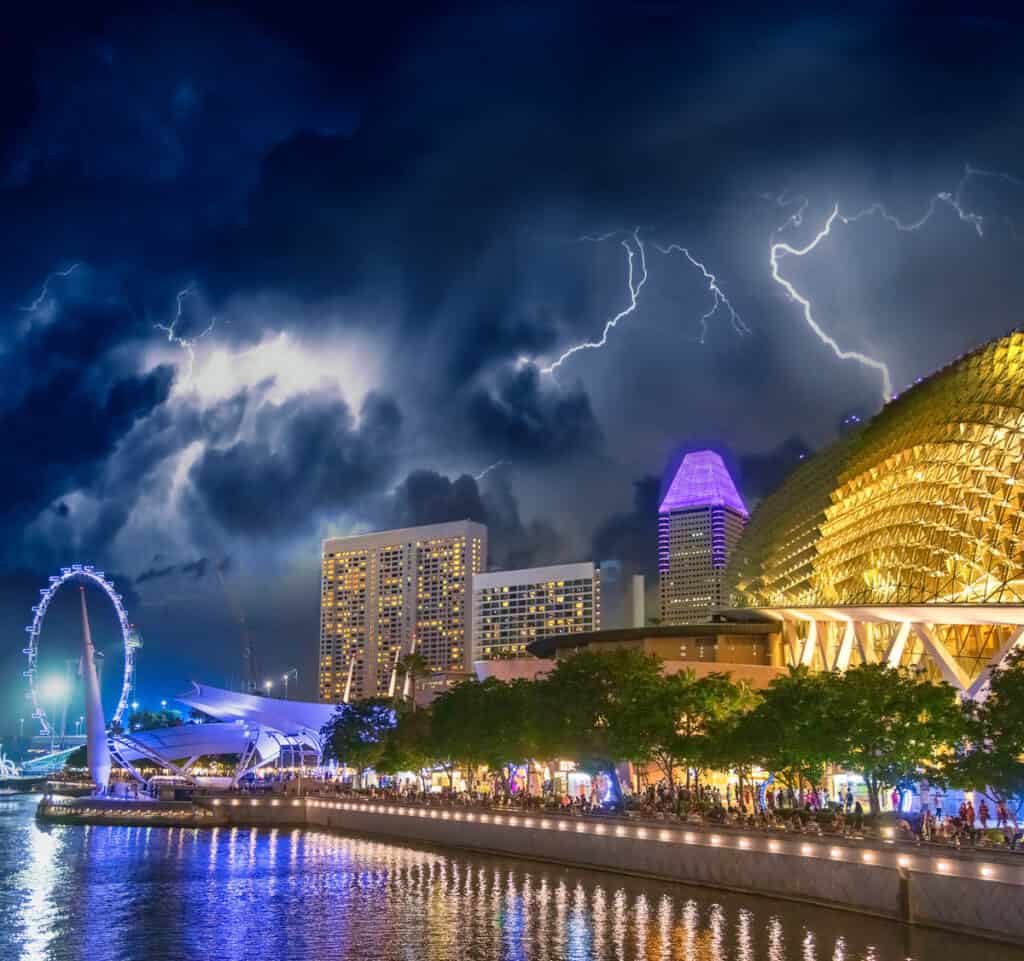
Singapore is a year-round destination, with warm temperatures and high humidity throughout the year. There’s no real “bad” time to visit, but a few factors might influence your plans.
- Weather – Expect temperatures around 25–31°C (77–88°F) year-round, with occasional tropical showers. Rain can happen at any time, but it’s usually short-lived.
- Peak periods – Events like Chinese New Year, the Singapore Grand Prix and school holidays can make the city busier and more expensive, but they’re also an exciting time to visit.
- Festivals and events – Singapore has a packed calendar, from cultural festivals to seasonal events like Christmas in the city.
If you want a more detailed breakdown by month, including what to expect and what’s on, check out our guide to the best time to visit Singapore.
Quick Singapore Travel Tips
Before you go, here are a few quick tips to help your trip run smoothly. You can read more in our article Top Tips for First Time Visitors to Singapore.
- English is widely spoken – Making it easy to get around and communicate.
- Tap water is safe to drink – No need to buy bottled water.
- It’s incredibly safe – Singapore is one of the safest cities in the world, even at night.
- Public transport is excellent – Clean, efficient, and easy to use.
- Air-conditioning is everywhere – Shopping malls, transport, and attractions are all well cooled, so it can feel chilly indoors.
- Respect local rules – Singapore has strict laws around things like littering and chewing gum, so it’s worth being aware of local regulations.
Ready to Plan Your Trip to Singapore?
Now that you’ve got an overview of what to expect, it’s time to start planning your trip.
Start with your itinerary, then choose where to stay, and build your plans from there:
- Plan your itinerary → Singapore 3-day itinerary
- Choose where to stay → Where to stay in Singapore
- Plan your activities → Best Singapore Attractions
- Explore food → Singapore Food Guide
Singapore is one of the easiest cities in the world to visit – and once you start planning, it all comes together quickly.