
Planning your first trip to Singapore? Discover 26 insider Singapore travel tips, from hawker centres and local customs to saving money and avoiding common mistakes.
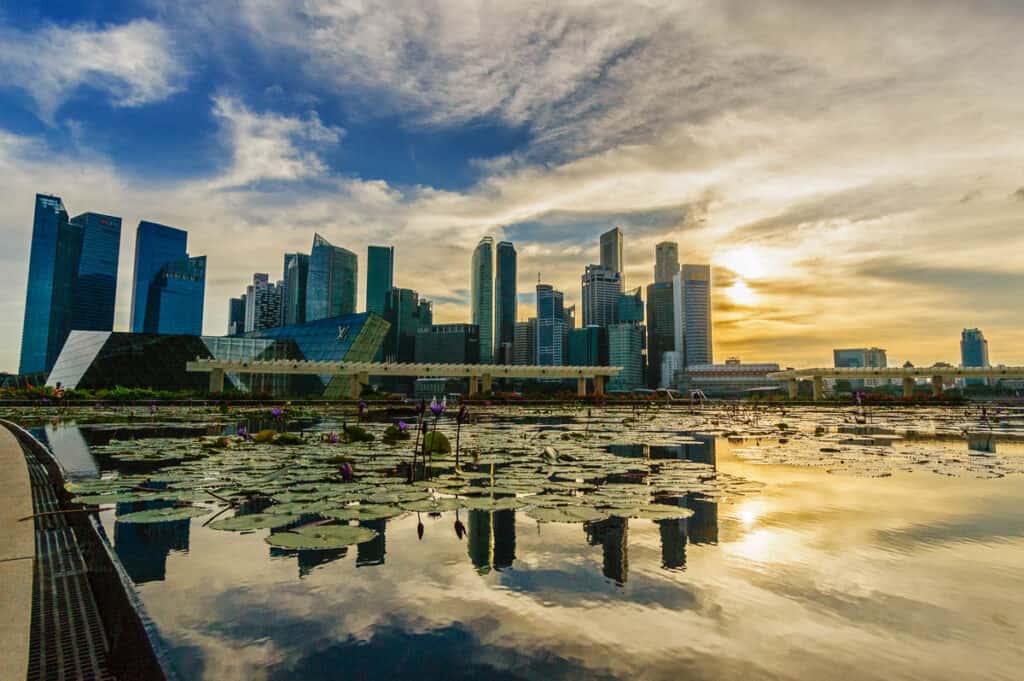
Singapore is one of those places that often surprises first-time visitors. People arrive expecting a modern city with a few famous attractions, then quickly discover that there is so much more to it.
Incredible food, colourful neighbourhoods, hidden parks, rooftop bars and some of the easiest sightseeing you’ll find anywhere in the world all combine to make Singapore a fantastic destination.
Even so, there are a few things worth knowing before you go. From dealing with the year-round heat and navigating hawker centres to understanding local customs and avoiding common mistakes, these insider Singapore travel tips will help you make the most of your visit.
Here are 26 insider tips to help you make the most of your first trip to Singapore.
Don’t miss our: Singapore Travel Guide for First Time Visitors.
Before You Arrive
Complete Your SG Arrival Card Before You Fly
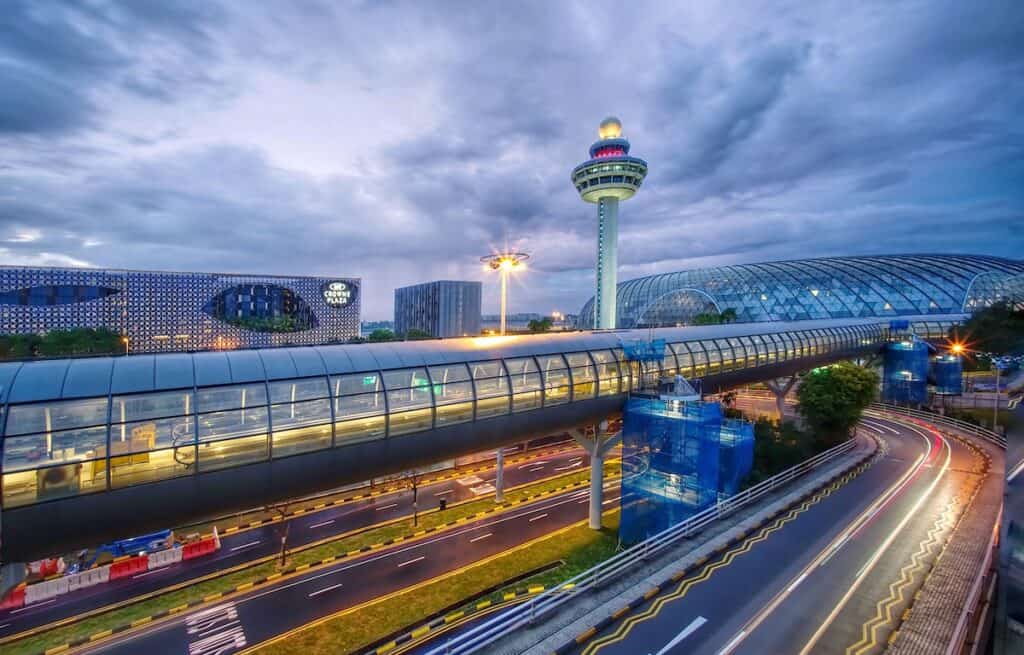
Everyone entering Singapore needs to submit an SG Arrival Card before arriving.
Despite the name, it isn’t a physical card and you won’t be handed one on the plane. Instead, it is an online declaration that needs to be completed within the three days before you arrive in Singapore.
Be careful not to use third-party websites that charge a fee for submitting the form. The official SG Arrival Card is quick and easy to complete, and there is no charge.
Getting this sorted before you fly will make your arrival at Changi Airport much smoother. However, if you forget – don’t panic! There are iPads in the arrivals hall that you can use.
Before you travel, it’s also worth checking the latest visa requirements for Singapore to make sure you have everything you need.
Don’t Skip Travel Insurance
Singapore is one of the safest destinations in the world, but accidents and illnesses can happen anywhere. Medical care in Singapore is excellent, but it is also expensive if you need treatment.
Travel insurance provides peace of mind and can save you from facing large unexpected bills. It is one thing I would always recommend arranging before any trip to Singapore.
I recommend the following travel insurance companies depending on your country of origin:
- If you’re travelling from Australia, we use Cover More.
- For visitors from the rest of the world, we suggest using HeyMondo.
Pack for the Heat and Humidity
Most people know Singapore is hot, but the humidity can take some getting used to. Stepping outside can feel like walking into a sauna, especially if you’re arriving from a cooler climate.
Lightweight clothing, breathable fabrics and comfortable shoes are essential. You may find yourself changing clothes more often than usual, so don’t be afraid to pack a few extra T-shirts.
I would also recommend throwing a small umbrella into your day bag. Afternoon downpours are common, and you’ll soon notice that plenty of locals use umbrellas for shade as well as rain protection.
Read more tips to beat the heat and humidity in Singapore here.
If you’re wondering what time of year to visit, our guide to the best time to visit Singapore explains the weather month by month.
Book a Hotel With a Swimming Pool
If we could give first-time visitors one piece of hotel advice, it would be this: book somewhere with a swimming pool (providing it is within your budget, of course).
After spending the day sightseeing in Singapore’s heat and humidity, there is nothing better than returning to your hotel for a cooling dip. Even if you don’t normally use hotel pools, you may find yourself appreciating one far more than expected.
Fortunately, many Singapore hotels have fantastic pools, from family-friendly resorts to spectacular rooftop infinity pools overlooking the city skyline.
If you’re still deciding where to stay, our guide on where to stay in Singapore compares the city’s most popular areas.
Download a Few Useful Apps
Before you arrive, it’s worth downloading a few apps that will make getting around Singapore much easier.
Grab and CDG Zig are essential for booking taxis, Google Maps is excellent for directions, and Klook is useful for booking attractions and tours. If you plan to use public transport a lot, Citymapper is another app worth having.
Setting these up before you land will save time and make your first few days much easier.
For more recommendations, check out our guide to the best Singapore apps for visitors.
Getting Around Like a Local
Stay Near an MRT Station
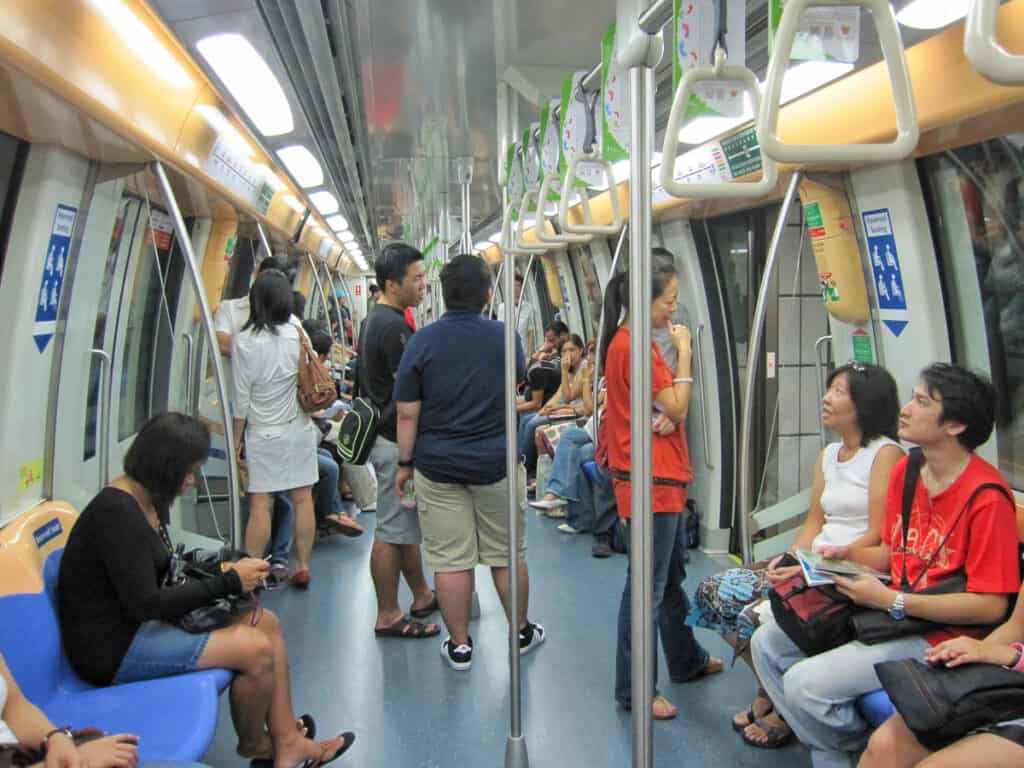
One of the best decisions you can make when planning your trip is to stay close to an MRT station.
Singapore’s MRT system is clean, efficient and easy to use, and having a station within a few minutes’ walk of your hotel will make sightseeing much easier. It also means you’ll spend less time and money getting around.
If you’re still deciding where to base yourself, our guide to where to stay in Singapore compares the city’s most popular neighbourhoods. If you’re torn between the main tourist areas, we also take a closer look at Marina Bay vs Orchard vs Sentosa.
Mix Public Transport With Grab/Taxis
Public transport in Singapore is excellent, but don’t feel like you have to use it for every journey.
One thing we’ve learned over the years is that sometimes spending a little extra on a Grab or Taxi ride can save a lot of time and energy. This is especially true after a long day of sightseeing, when you’re carrying shopping bags, or if you’re travelling with young children.
Grab is Singapore’s version of Uber and is widely used by locals and visitors alike. Taxis are also cheap and excellent in Singapore. In fact, compared with many major cities, taxis in Singapore are surprisingly affordable.
Using a combination of the MRT and Grab/Taxi is often the easiest way to get around.
If you’re planning to rely on trains and buses, our guide to using public transport in Singapore explains everything you need to know.
Wear Comfortable Shoes
It doesn’t take long to realise just how much walking you’ll do in Singapore.
Even with an excellent public transport network, you’ll still spend plenty of time exploring attractions, wandering around neighbourhoods and navigating shopping malls and MRT stations. It’s not unusual to walk 15,000 steps or more in a day without even realising it.
Comfortable shoes are one of those things you’ll appreciate more and more as your trip goes on.
If you’re wondering what else to pack, take a look at our Singapore packing list, which covers all the essentials.
Don’t Eat or Drink on Public Transport
You’ve maybe heard that Singapore is a “Fine” City. Well, yes, it is, and you can be fined up to $500 for eating and drinking on Singapore’s buses and the MRT.
Thankfully, there are plenty of places to stop for a drink or snack, and you’ll never be far from a shopping mall, food court or café.
Food & Dining Tips
Eat at Hawker Centres
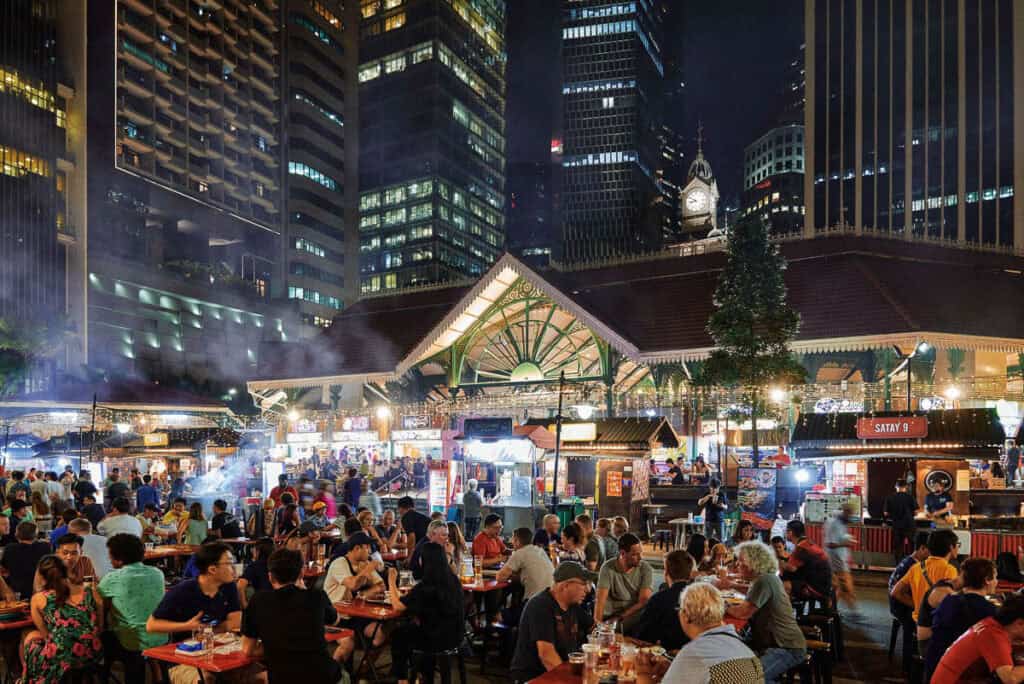
If there’s one thing we always encourage first-time visitors to do, it’s eat at a hawker centre.
Some of the best meals in Singapore cost less than a coffee back home, and eating at hawker centres is one of the easiest ways to experience the city’s incredible food culture.
Don’t be put off by the queues or the fact that you’re sharing tables with strangers. That’s all part of the experience.
Not sure where to start? Our guide to the best hawker centres in Singapore covers some of our favourites, while our first-timer’s guide to eating at a hawker centre explains what to expect and what dishes to look out for.
Learn a Few Kopi Orders
Ordering coffee in Singapore can feel like learning a new language.
Kopi, kopi o, kopi c, teh tarik… the choices can be a little confusing at first. But learning a few basic orders is part of the fun, and you’ll soon find yourself ordering like a local.
It doesn’t take long to realise that coffee is taken very seriously in Singapore.
Quick Kopi Guide
- Kopi – coffee with condensed milk
- Kopi O – black coffee with sugar
- Kopi C – coffee with evaporated milk
- Kopi Kosong – coffee with no sugar
- Teh Tarik – “pulled tea” with milk, poured theatrically between cups to create a frothy top
If you’re curious about local breakfast culture, our guide to Singapore breakfasts explains the different kopi options and introduces some classic morning dishes.
Leave Room in Your Itinerary for Food
One mistake we see time and time again is visitors packing their itinerary so full that they forget one of Singapore’s biggest attractions: the food.
Some of our favourite Singapore memories involve stumbling across a busy hawker centre, lingering over dim sum with friends or trying something completely new. It’s worth leaving plenty of room in your schedule for long lunches, spontaneous snack stops and leisurely dinners.
Not sure what to order? Our guide to what to eat in Singapore introduces 17 must-try local dishes, from Hainanese chicken rice and chilli crab to laksa and satay.
Book Popular Restaurants in Advance
While many restaurants are easy to visit without a reservation, some of Singapore’s most sought-after dining spots book out well in advance.
If you have your heart set on a particular restaurant, it’s worth making a reservation before your trip. This is especially true for Michelin-starred restaurants, famous seafood restaurants and dining spots with spectacular views.
For inspiration, take a look at our guides to the best Singapore restaurants with a view and the latest Michelin Guide Singapore winners.
Understand Chope Culture
At first glance, it might seem strange, but reserving a table with a packet of tissues is perfectly normal in Singapore!
Known locally as “chope”, this unwritten system is widely accepted and used everywhere from hawker centres to food courts. Simply leave a small item on the table while you order your food, and everyone will understand that the seat is taken.
Once you know about chope culture, you’ll start spotting it everywhere.
Restaurant Bills Usually Include ++
Unlike some countries where tipping is expected, most restaurants in Singapore automatically add service charge and GST to the bill.
You’ll often see prices followed by “++” (“plus plus”), which means there are additional charges on top of the listed price. This usually consists of a 10% service charge plus 9% GST.
Because these charges are already included, there is generally no expectation to leave an additional tip.
It’s worth keeping this in mind when budgeting for meals, as the final bill will usually be higher than the price shown on the menu.
Alcohol Is Expensive
Singapore isn’t a particularly cheap place to drink.
Alcohol is heavily taxed, which means beer, wine and cocktails can be surprisingly expensive. A cocktail at a rooftop bar can easily cost more than an entire meal at a hawker centre.
That doesn’t mean you have to avoid drinking altogether. One way locals save money is by taking advantage of happy hour promotions, which are common across the city. Or enjoy a Tiger beer in a hawker centre, where they are a fraction of the price.
If you’re looking for somewhere memorable for sunset drinks, our guide to the best rooftop bars in Singapore has plenty of inspiration.
Saving Money in Singapore
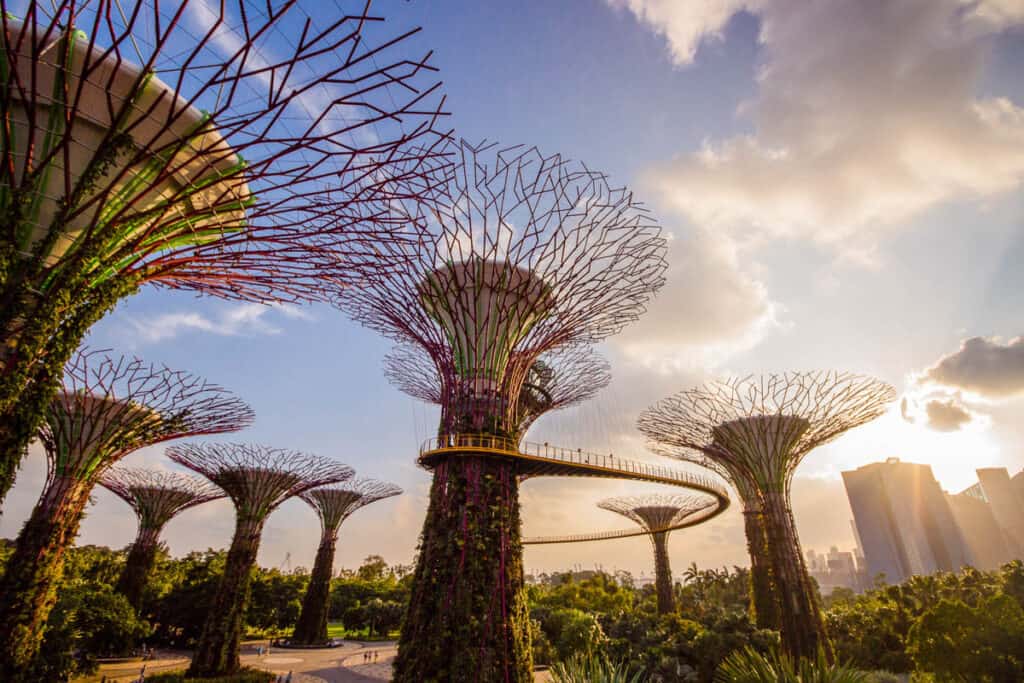
Singapore Doesn’t Have to Be Expensive
Singapore has a reputation for being expensive, but we’ve found that it can be surprisingly affordable if you know where to spend and where to save.
Public transport is cheap, some of the city’s best attractions are free, and you can enjoy fantastic meals at hawker centres without spending a fortune. In fact, it’s entirely possible to have an amazing trip without blowing your budget.
For more ideas, take a look at our guides to visiting Singapore on a budget, free things to do in Singapore and how much a trip to Singapore costs.
Drink the Tap Water
There’s no need to buy bottled water in Singapore.
Tap water is perfectly safe to drink, and carrying a reusable water bottle will save you money while helping to reduce plastic waste. Given Singapore’s year-round heat and humidity, staying hydrated is important, so you’ll probably find yourself refilling it several times a day.
Shopping malls, attractions and hotels all make it easy to top up throughout the day.
Carry a Little Cash
Singapore is increasingly cashless, and you’ll be able to pay by card in most hotels, restaurants and attractions.
That said, it’s still worth carrying a small amount of cash, especially if you plan to eat at hawker centres or visit traditional markets. Some stalls are cash only, while others accept digital payments that overseas visitors may not have access to.
You certainly don’t need to carry large amounts, but having a few dollars in your wallet can save you from an awkward moment when it’s time to pay.
Claim Your Tourist Tax Refund
If you’re planning to do a bit of shopping, don’t forget about Singapore’s Tourist Refund Scheme.
Visitors can claim back the GST paid on eligible purchases from participating retailers, provided certain conditions are met. If you’re buying electronics, jewellery or other big-ticket items, the savings can quickly add up.
Our guide to shopping in Singapore explains this in more detail and has plenty of ideas on where to shop, while our roundup of the best souvenirs to buy in Singapore will help you decide what to bring home.
Making the Most of Your Trip
Don’t Try to Do Too Much in One Day
One thing visitors soon learn is that Singapore is much more enjoyable when you slow down.
Because the city is relatively compact, it’s tempting to cram as much as possible into each day. But between the heat, the walking and all the tempting food stops, a packed itinerary can quickly become exhausting.
Instead, leave some room for spontaneity. Take a break by the pool, linger over lunch or spend an extra hour exploring a neighbourhood you weren’t planning to visit. Some of the best travel memories come from the unplanned moments.
If you’re still putting together your itinerary, our 3-day Singapore itinerary for first-time visitors is a great place to start. We also have detailed 2-day, 5-day and 7-day Singapore itineraries to help you plan your trip.
Be Prepared for Tropical Downpours
Rain showers are simply part of life in Singapore.
Fortunately, they usually don’t last long and rarely ruin an entire day. It’s always worth carrying a small umbrella, just in case.
And if the heavens do open, don’t worry. Singapore has no shortage of indoor attractions, museums, shopping malls and cosy cafés to keep you occupied until the sun returns.
Our guide to things to do in Singapore when it’s raining has plenty of ideas for wet-weather days.
Plan Indoor Activities for the Hottest Part of the Day
Singapore is hot all year round, and the middle of the afternoon is often the most uncomfortable time to be outdoors.
We’ve found that it makes sense to save museums, galleries and shopping for the hottest part of the day, then head back outside later in the afternoon when temperatures become more manageable.
Our guide to the best museums and galleries in Singapore is full of ideas.
Explore Beyond Marina Bay
Marina Bay is spectacular and deserves a place on every itinerary, but there’s so much more to Singapore than the skyline around Marina Bay Sands.
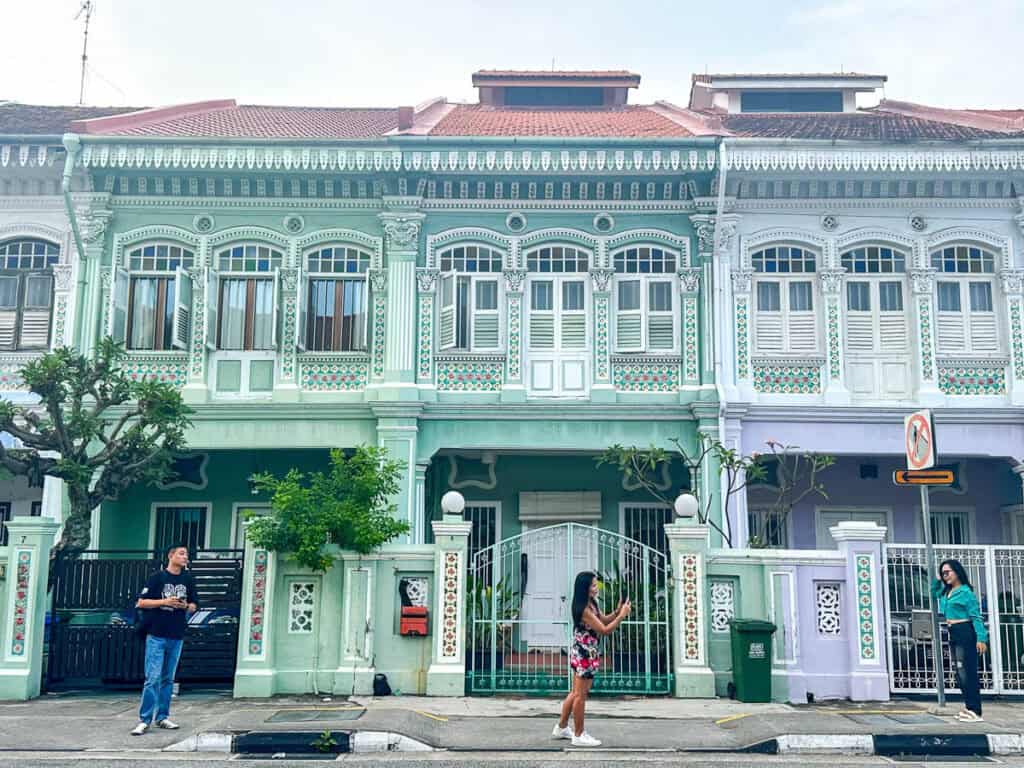
Some of our favourite areas include Kampong Glam, Chinatown, Little India, Katong and Joo Chiat and Tiong Bahru. Each neighbourhood has its own personality, history and food scene, and exploring them is one of the best ways to experience a different side of Singapore.
If you’re not sure where to begin, our guide to Singapore’s must-visit neighbourhoods is a great starting point. We also have dedicated guides to Katong & Joo Chiat, Tiong Bahru, Kampong Glam, Chinatown and Little India.
Our Self-guided Walking Tours are a great way to get to know these neighbourhoods at the fraction of the cost of a guided tour.
Wake Up Early
Singapore is at its best early in the morning when the temperatures are cooler and there’s a lovely sense of calm before the city fully wakes up. Most attractions are also quieter at opening time and tend to get busier as the day goes on.
Whether you’re going for a walk in the Botanic Gardens, visiting one of Singapore’s parks or simply enjoying breakfast and kopi, getting an early start is always worthwhile. (Note, however, that most shops won’t open until 10am)
Our guide to the best parks in Singapore has plenty of ideas if you enjoy spending time outdoors.
Singapore Is Safe After Dark
One of the things we love most about Singapore is how comfortable it feels after dark. And that means you don’t have to rush back to your hotel once the sun goes down.
In fact, evenings are one of the best times to be out and about. Temperatures are cooler, the skyline lights up and many attractions take on a completely different atmosphere.
Whether you’re enjoying a stroll around Marina Bay, sipping cocktails at a rooftop bar or exploring one of the city’s markets, Singapore is a wonderful place to experience after dark.
Looking for inspiration? Take a look at our guide to the best things to do in Singapore at night.